How the Pieces of Kilgarde Fit Together
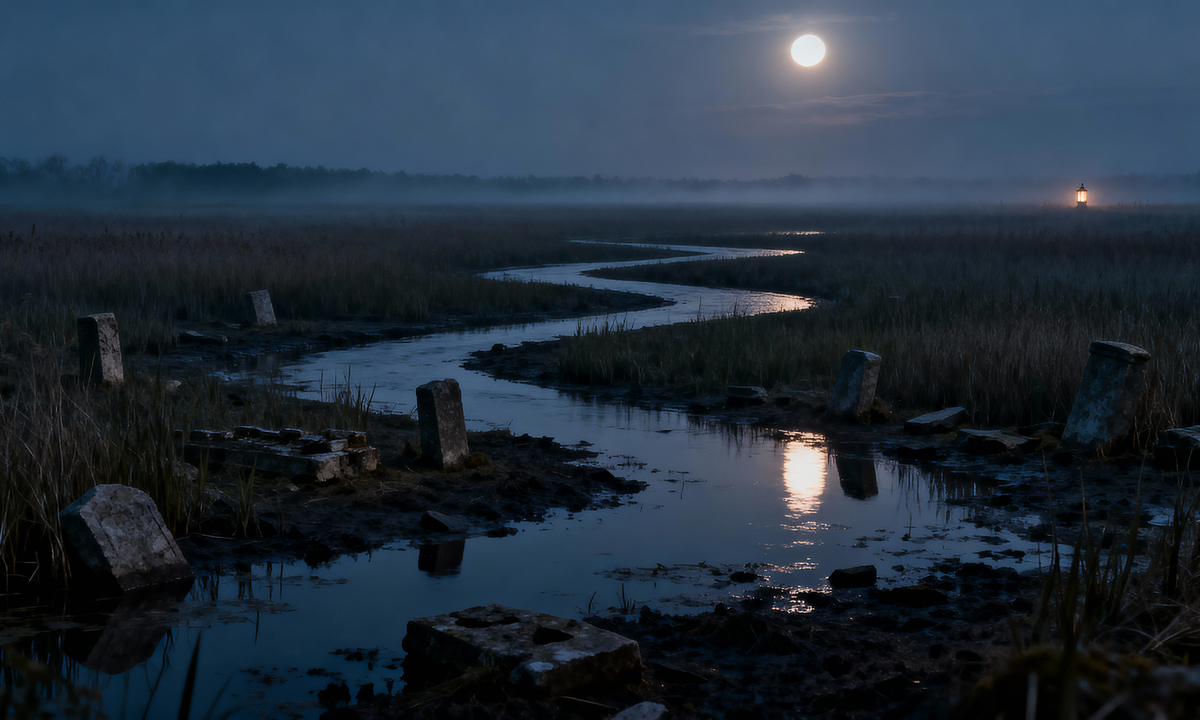
In my last post, I wrote about why I chose to lock the Hollow Watch canon earlier than felt comfortable. That decision wasn’t about rushing or cutting corners - it was about committing to a direction so the work could actually move forward.
This time, I want to talk about what that commitment has shaped: what Kilgarde actually consists of, and how its parts fit together.
One of the easiest ways for a project like this to lose focus is to let components multiply without a clear reason for existing. Extra terrain pieces, extra lore fragments, extra formats - all interesting in isolation, but collectively pulling the project apart. From the beginning, I wanted Kilgarde to work in the opposite direction.
Everything starts with the scenarios.
The scenarios aren’t something added at the end to justify models or terrain. They are the spine of the project. Each one defines a place, a conflict, and a set of physical needs at the table - and those needs determine what gets built.
That’s why the printed material is deliberately structured. There’s an A4 scenario booklet containing four tightly scoped scenarios, designed to be playable rather than encyclopaedic. Alongside that sits the Six Pillars booklet - a smaller, square format that lays out the underlying framework of the world and the principles guiding its design. The larger A4 hardcover lore book exists to give the setting weight and texture, not to overwhelm play. It’s there for context, atmosphere, and continuity.
Loose reference sheets round this out. They aren’t collectibles or extras for the sake of it - they’re table-facing tools, extracted directly from the scenario text so that players and GMs can keep the game moving without constant page-flipping. A folded world map provides geographic grounding, nothing more elaborate than it needs to be.
Terrain follows the same logic. Rather than building a catalogue of modular parts and then inventing uses for them, terrain is extracted directly from the scenario requirements. The Watchtower exists because a scenario needs it. The Wyrd Grove exists because a story hinges on that space. Streets, walls, scatter, and tiles aren’t decorative filler - they are the physical language the scenarios are written in.
Miniatures work in much the same way. Characters like Alfhild, Elarion, or Mother Cindrel aren’t mascots; they’re narrative anchors. The entity packs - Tower Spirits, Fen Shades, Rootlings, Mirehounds - exist because the scenarios call for forces that behave in specific ways at the table. Even the solitary threats, like the Wyrd Blight, are defined by the role they play, not by the desire to add variety for its own sake.
What ties all of this together is restraint.
Locking the canon early made it possible to say “no” to ideas that didn’t serve the core experience, even when they were tempting. It clarified what Kilgarde is - and just as importantly, what it isn’t. There are no cards, no sprawling optional systems, no disconnected extras. Every physical piece exists because it supports play, story, or atmosphere in a concrete way.
In the next update, I’ll dig deeper into how terrain is extracted from the scenarios themselves, and what that means for both design decisions and physical print considerations. For now, I wanted to make one thing clear: Kilgarde isn’t a collection of parts looking for a purpose. It’s a set of stories that determine exactly what needs to exist - and nothing more.
Thanks for following along.